


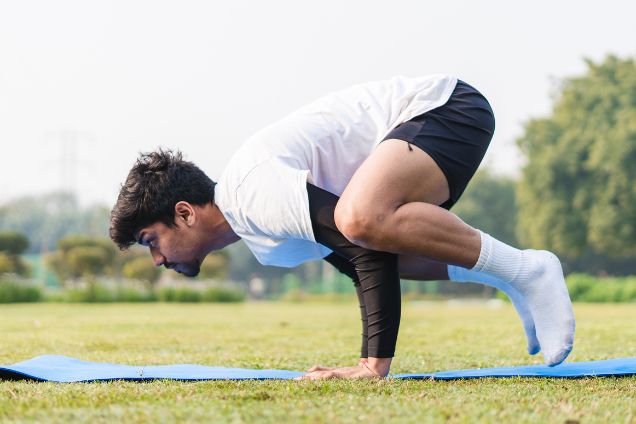
Shoulder Mobility for Athletes: The Key to Better Performance
For athletes, the shoulders are involved in nearly every upper-body motion — lifting, throwing, swimming, serving, and even stabilizing during running or climbing. Because the shoulder is the most mobile joint in the body, it also faces the greatest risk of stiffness, imbalance, and injury.
Focusing on shoulder mobility helps athletes move better, generate more power, and reduce strain during training and competition.
Why Shoulder Mobility Is Important
Optimal shoulder mobility allows the joint to move freely while maintaining strength and stability. The shoulder doesn’t work alone — it relies on:
– The glenohumeral joint (ball-and-socket)
– The scapula (shoulder blade)
– The thoracic spine (upper back)
– Surrounding stabilizing muscles
When one part becomes tight or weak, athletes may experience limited overhead reach, altered mechanics, and increased stress on the rotator cuff. Over time, this leads to issues such as impingement, tendon irritation, or loss of strength.
Common Factors That Reduce Mobility
Athletes often develop mobility problems due to:
– Tight pecs, lats, or upper traps
– Weak scapular stabilizers
– Poor posture from training or daily habits
– Repetitive overhead movements
– Limited thoracic spine extension and rotation
These limitations gradually restrict the shoulder’s range, affecting performance and recovery.
Benefits of Improving Shoulder Mobility
A mobile, well-controlled shoulder helps athletes:
– Move more efficiently
– Maintain proper overhead technique
– Reduce risk of rotator cuff and impingement injuries
– Improve strength and stability during lifts
– Generate greater power through the upper body
Good mobility also supports better breathing mechanics and posture — both essential for endurance and performance.
Recommended Mobility Exercises
Adding a few focused exercises to your warm-up or cooldown can make a significant difference:
1. PVC or Band Pass-Throughs
Great for warming the joint capsule and improving overhead motion.
2. Wall Slides
Enhances shoulder flexion and encourages proper scapular movement.
3. Thoracic Rotations
Releases stiffness in the upper back, allowing the shoulders to move freely.
4. Sleeper Stretch / External Rotation Stretch
Targets the rotator cuff and improves rotational mobility needed for throwing.
5. Scapular Push-Ups
Activates the serratus anterior, critical for shoulder stability and injury prevention.
Doing these exercises 3–4 times per week helps build long-term mobility and control.
When to See a Physical Therapist
Athletes should seek professional evaluation if they notice:
– Pain during overhead or pushing movements
– Persistent stiffness or limited range
– Clicking, catching, or instability
– Reduced strength despite consistent training
A physical therapist can identify movement restrictions, address muscle imbalances, and design a personalized mobility and strengthening plan to restore optimal shoulder function.