

Future of Rehab Clinics
Rehabilitation clinics are at a pivotal moment in healthcare evolution. Gone are the days when rehab was limited to manual techniques and subjective assessments. Today—and looking ahead—the future of rehab clinics is shaped by personalized care, smart technology, and a stronger focus on patient outcomes.
Modern rehab clinics are becoming hubs where clinical expertise meets innovation, delivering clearer assessments, safer movement, and more effective recovery.
1. Personalized Rehab: One Size No Longer Fits All
The future of rehabilitation is built on personalization. Every patient’s body, injury, and recovery timeline is different—and rehab programs must reflect that reality.
Instead of generic protocols, modern clinics are shifting toward individualized treatment plans based on:
– Objective movement assessments
– Strength, balance, and mobility benchmarks
– Ongoing performance tracking
This approach allows therapists to adjust treatment in real time, ensuring rehab progresses at the patient’s pace. Personalized care not only improves outcomes but also reduces the risk of re-injury and setbacks.
2. Wearable Technology and Data-Driven Care
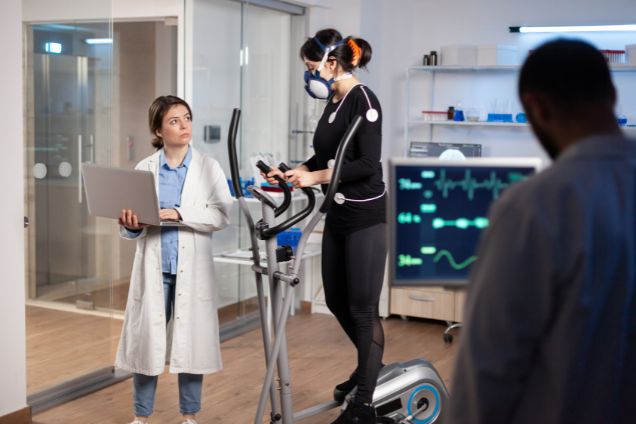
Wearable technology is playing a growing role in the evolution of rehab clinics. These tools capture real-time movement data, offering insights that go beyond visual observation alone.
Key benefits of wearables in rehab include:
– Accurate tracking of movement quality, posture, and range of motion
– Objective progress measurements instead of guesswork
– Clear feedback that helps patients understand their recovery
As these tools continue to advance, clinics will be able to identify movement issues earlier, refine treatment plans faster, and support more consistent progress both inside and outside the clinic.
3. Hybrid Rehab Models: Care Beyond the Clinic
The future of rehab clinics extends beyond physical locations. Hybrid care models—combining in-clinic treatment with remote monitoring and guided home programs—are becoming increasingly important.
This model allows patients to:
– Receive hands-on therapy when needed
– Stay connected to their therapist between visits
– Follow structured home programs with accountability
Hybrid rehab improves access, convenience, and consistency, especially for patients with busy schedules or mobility challenges.
4. Technology Supporting, Not Replacing, Therapists
Despite rapid advancements in technology, the human element of rehab remains irreplaceable. The future clinic uses technology to support clinical expertise, not replace it.
Smart tools can help with:
Objective assessments
– Progress tracking and documentation
– Data-informed decision-making
This allows therapists to spend more time focusing on patient care, education, and motivation—areas where human connection makes the biggest difference.
5. Patient Education and Empowerment
Future-focused rehab clinics place a strong emphasis on patient education. When patients understand their movement patterns, progress metrics, and recovery goals, they become active participants in their rehab journey.
Empowered patients are more likely to:
– Stay consistent with therapy plans
– Perform exercises correctly
– Maintain long-term results after discharge
Education transforms rehab from a passive process into a collaborative partnership.
6. Integrated and Collaborative Care
Rehab clinics of the future will work more closely with other healthcare professionals to support comprehensive recovery. Collaboration ensures smoother transitions between phases of care and helps align treatment goals across disciplines.
This integrated approach leads to better communication, clearer expectations, and improved patient confidence throughout the recovery process.
Conclusion: The Future Is Smarter and More Human
The future of rehab clinics is not just about advanced technology—it’s about using innovation to deliver better, more human care.
Rehab clinics will continue evolving to become:
– Personalized and data-driven
– Flexible and patient-focused
– Technology-enabled but therapist-led
By blending expert care with smart tools, modern rehab clinics are setting a new standard for recovery—one that is more precise, more engaging, and built around long-term success.