
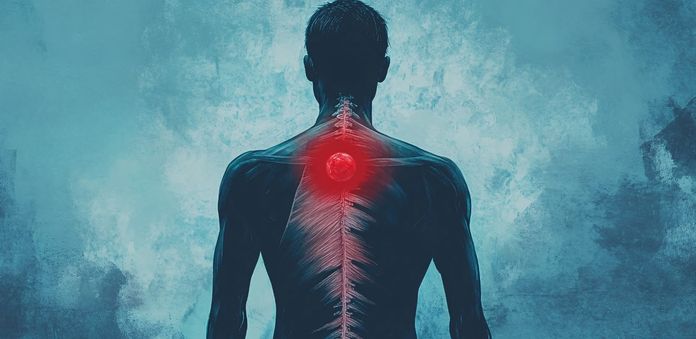


Rewiring Pain Pathways
Chronic pain isn’t just a symptom — it’s a signal of an altered nervous system. For many people, pain becomes persistent long after tissues have healed. This shift happens because the nervous system — from the spinal cord to the brain — learns to respond to signals in a way that amplifies pain. The good news? Our nervous system is plastic — meaning it can change. And rewiring pain pathways is about harnessing that ability to reduce pain and restore function.
What Does “Rewiring Pain Pathways” Mean?
Traditionally, pain was believed to be a straightforward result of tissue damage. But modern science reveals that pain is a protective output of the brain — influenced by memory, emotion, attention, fear, and past experiences. In chronic pain, neural circuits become sensitized so that even harmless sensations are interpreted as pain.
Rewiring pain pathways means changing how the brain and nervous system process pain signals. Instead of reacting with alarm, the nervous system learns to respond with safety and calm. This doesn’t make pain imaginary — it makes it modifiable.