

Breathing for Pain Relief
Pain isn’t only a physical experience — it’s deeply connected to how your nervous system interprets stress, movement, and breathing. At Health Plus Physical Therapy & Rehabilitation Center, we focus on evidence-based solutions that empower you to manage pain safely and naturally. One powerful and often overlooked tool in your pain-relief plan is controlled breathing.
Why Breathing Matters for Pain
Pain is not just about injured tissue — the brain plays a central role in interpreting pain signals and regulating stress responses. When the nervous system is in a constant state of stress, pain can feel stronger and recovery may slow down.Slow, intentional breathing activates the parasympathetic nervous system — often called the “rest and digest” system. This helps lower stress hormones, reduce muscle tension, and calm the body’s protective response. As the body relaxes, pain sensitivity can decrease.
How Controlled Breathing Helps With Pain
– Reduces Muscle Tension
Deep breathing from the diaphragm encourages the muscles to relax, especially in areas like the neck, shoulders, and lower back.
– Calms the Nervous System
Slow, rhythmic breathing sends calming signals to the brain, reducing stress and lowering pain intensity.
– Improves Oxygen Flow
Better oxygen exchange supports tissue health and can help the body recover more efficiently.
– Interrupts the Pain Cycle
Pain increases stress, and stress increases pain. Conscious breathing helps break this cycle.
Effective Breathing Techniques for Pain Relief
1. Diaphragmatic (Belly) Breathing
How to do it:
– Sit or lie comfortably.
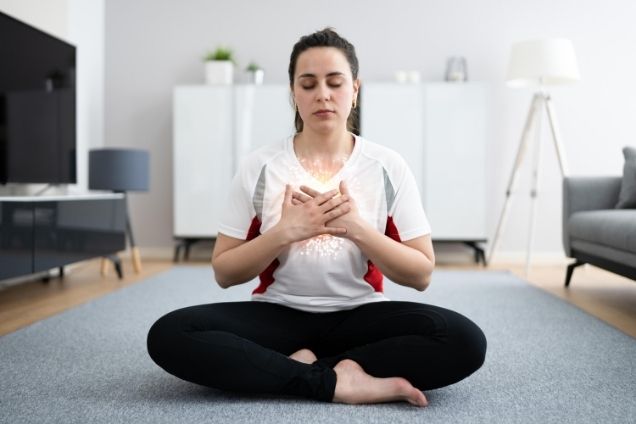
– Place one hand on your chest and one on your belly.
– Inhale slowly through your nose, allowing your belly to rise.
– Exhale gently through your mouth, letting your belly fall.Repeat for 5–10 breaths. Focus on slow, controlled movement of the abdomen rather than the chest.
2. Box Breathing
This structured technique helps regulate the nervous system.
Steps:
– Inhale through your nose for 4 seconds
– Hold your breath for 4 seconds
– Exhale through your mouth for 4 seconds
– Hold again for 4 secondsRepeat for 4–6 cycles.
3. 4-7-8 Breathing
This method extends the exhale to deepen relaxation.
Steps:
– Inhale through your nose for 4 seconds
– Hold for 7 seconds
– Exhale slowly through your mouth for 8 secondsRepeat for 3–5 rounds, especially during moments of increased discomfort.
Tips to Maximize Pain Relief
– Practice daily — even 3–5 minutes can make a difference.
– Use breathing techniques at the first sign of tension.
– Pair breathing with gentle movement or stretching.
– If you feel lightheaded, return to normal breathing and slow your pace.
When to Seek Professional Support
Breathing techniques are a powerful tool, but they work best when combined with personalized physical therapy. If you’re dealing with persistent or chronic pain, working with a licensed physical therapist can help you safely restore movement, build strength, and retrain your nervous system for long-term relief.
Summary :
Breathing is something you do every moment — but when done intentionally, it becomes a powerful pain-management tool. By calming your nervous system and reducing muscle tension, controlled breathing can support recovery and help you move with greater confidence.At Health Plus Physical Therapy & Rehabilitation Center, we believe in empowering you with simple, effective strategies that promote lasting relief — not just temporary fixes.
Schedule You Appointment with Health Plus Physical Therapy
At Health Plus Physical Therapy & Rehabilitation Center, we understand that when the nervous system remains in a constant state of stress, pain can intensify and recovery may slow down. The body shifts into a protective mode, and even normal movement can begin to feel unsafe or uncomfortable.That’s why our approach to breathing for pain relief goes beyond simply addressing symptoms. We focus on calming and regulating the nervous system while restoring confident, functional movement. Through clear education about how pain works, guided breathing techniques that activate the body’s relaxation response, and gradual, progressive activity, we help retrain the brain to recognize movement as safe again — supporting lasting relief and improved quality of life.
Contact us today to get started and book your appointment!