

Left vs Right Comparison
The human body is designed to move in a coordinated and balanced way, with the left and right sides working together during everyday activities. However, many people unknowingly develop differences in strength, flexibility, stability, and control between the two sides of the body. These differences are often subtle and may not be noticeable at first, but over time they can influence posture, movement patterns, and overall physical performance.A left vs right comparison helps identify these differences and understand how they may affect the way the body moves. By evaluating both sides of the body, physical therapists can detect imbalances that may contribute to discomfort, inefficient movement, or an increased risk of injury.
Why Side-to-Side Imbalances Develop
Left and right side differences often develop gradually due to daily habits and repetitive activities. Most people naturally have a dominant side that performs more work throughout the day. Tasks such as carrying bags, reaching for objects, stepping forward, or performing sports movements often rely more on one side of the body.Past injuries can also contribute to these imbalances. When a person experiences pain or weakness in one area, the body may shift more work to the opposite side to protect the injured region. While this compensation can help in the short term, it may eventually lead to uneven strength and mobility between the two sides.
Other factors that may contribute to side-to-side imbalances include:
– Poor posture during prolonged sitting or standing
– Repetitive movements at work or during exercise
– Muscle weakness or limited flexibility
– Limited joint mobility
– Differences in coordination and stability
Over time, these factors can cause one side of the body to become stronger, tighter, or more dominant than the other.
How Imbalances Affect Movement
When the body is not balanced, movement patterns can become less efficient. Instead of both sides working together evenly, one side may take on more workload. This can lead to compensation patterns where certain muscles and joints work harder than they should.For example, if one leg is stronger than the other, the body may shift more weight to that leg during activities like walking, running, or squatting. Similarly, if one shoulder has limited mobility, the other shoulder may compensate during lifting or reaching tasks.These compensations can gradually place additional stress on muscles, joints, and connective tissues. Over time, this uneven distribution of force may contribute to discomfort, reduced movement efficiency, and a greater risk of overuse injuries.
Common issues associated with side-to-side imbalances include:
– Knee discomfort during walking or exercise
– Hip tightness or instability
– Lower back strain
– Shoulder tension or limited range of motion
– Reduced balance and coordination
Identifying and correcting these imbalances can help improve overall movement quality and reduce strain on the body.
The Importance of Left vs Right Assessment
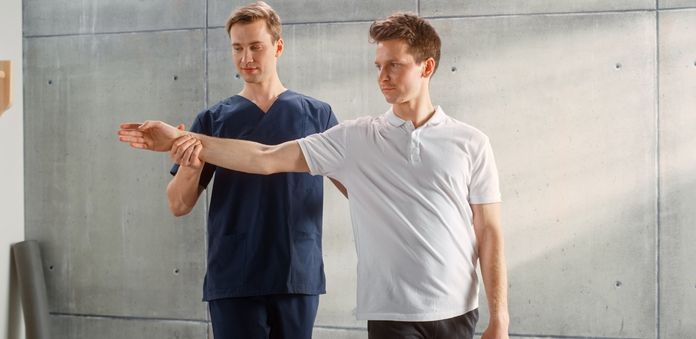
A left vs right comparison is an important part of a comprehensive physical therapy evaluation. By observing how each side of the body performs during specific movements, therapists can identify asymmetries that may affect movement efficiency.
During an assessment, therapists may examine:
– Strength differences between muscles on each side
– Flexibility and joint mobility
– Balance and stability during single-leg tasks
– Coordination and movement control
– Postural alignment
Movements such as squats, lunges, reaching exercises, and balance tests can reveal subtle differences between the two sides of the body. Even small variations can provide valuable insight into how the body distributes force and manages movement.Understanding these differences allows therapists to design targeted programs that address the underlying causes of imbalance.
Strategies to Improve Left-to-Right Balance
Correcting side-to-side imbalances involves improving the way the body moves as a whole. Instead of simply strengthening one side, the goal is to restore coordination, stability, and balanced muscle activation.
Some strategies used to improve symmetry include:
Targeted Strength Training
Strengthening weaker muscles helps both sides of the body contribute more evenly to movement.
Mobility and Flexibility Exercises
Improving joint mobility and muscle flexibility can help reduce restrictions that may limit movement on one side.
Balance and Stability Training
Single-leg exercises and stability drills improve control and coordination, helping the body maintain better alignment.
Movement Retraining
Learning proper movement patterns ensures that both sides of the body work together efficiently during activities such as walking, lifting, and exercising.
These approaches help restore balanced movement and reduce unnecessary stress on joints and muscles.