


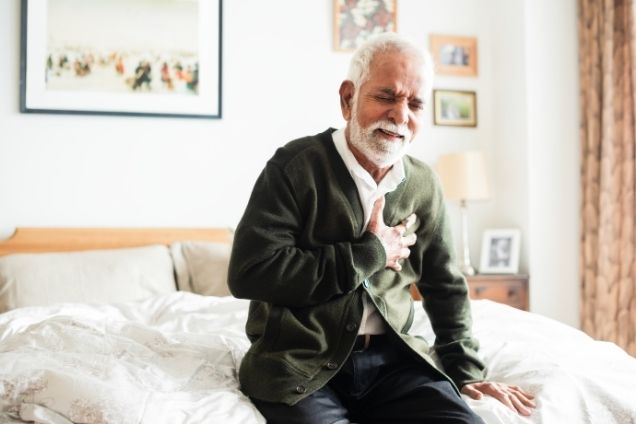
Lifestyle Habits That Cause Pain
Pain doesn’t always come from injuries or medical conditions—it often develops from the small, repeated habits in your daily routine. At Health Plus Physical Therapy & Rehabilitation Center, we see many patients whose discomfort is linked to lifestyle choices rather than a single incident. Understanding these habits is the first step toward long-term relief and better movement.
Poor Posture Throughout the Day
One of the most common causes of pain is poor posture. Whether you’re sitting at a desk, looking at your phone, or standing incorrectly, bad alignment puts stress on your spine and muscles.
Over time, this can lead to:
– Neck and back pain
– Muscle imbalances
– Reduced mobility
Even simple habits like slouching or looking down at screens can strain your body and trigger chronic discomfort.
Sitting Too Much, Moving Too Little
A sedentary lifestyle is another major contributor to pain. Long hours of sitting—whether at work or home—cause stiffness in the hips, back, and shoulders.
When the body doesn’t move enough:
– Muscles weaken
– Joints become stiff
– Circulation decreases
This lack of movement can worsen existing conditions and increase the risk of long-term pain.
Ignoring Early Signs of Discomfort
Many people ignore mild pain until it becomes severe. Small aches are often early warning signs of underlying issues.
Delaying treatment can lead to:
– Chronic pain conditions
– Reduced function
– Longer recovery times
Physical therapy emphasizes early intervention to prevent minor problems from becoming serious.
Improper Movement and Daily Mechanics
Simple actions like lifting, bending, or even carrying bags incorrectly can strain your body.
Common mistakes include:
– Lifting with your back instead of your legs
– Carrying weight unevenly
– Repetitive poor movement patterns
These habits place unnecessary stress on joints and muscles, increasing the risk of injury over time.
Lack of Physical Activity
While too much strain can cause pain, too little activity is equally harmful. Avoiding movement can weaken muscles and reduce flexibility.
Regular, guided movement helps:
– Maintain strength
– Improve joint health
– Reduce stiffness
Staying active is a key part of preventing and managing pain effectively.
Poor Lifestyle Support (Sleep, Hydration, Nutrition)
Your daily habits outside of movement also affect pain levels.
Factors like:
– Poor sleep positions
– Dehydration
– Inadequate nutrition
can slow recovery and increase inflammation in the body. Healthy lifestyle choices support tissue healing and overall well-being.