

Rehab Beyond the Clinic
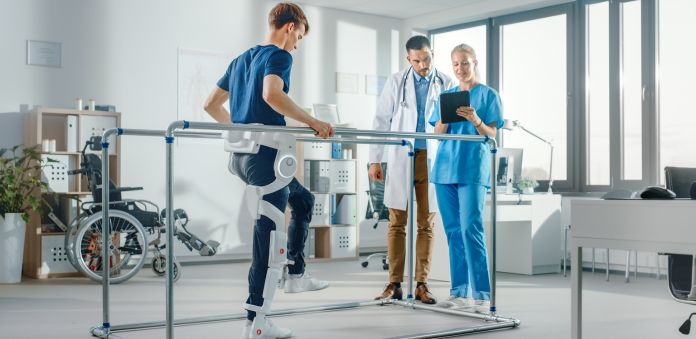
For many, the word “rehab” conjures images of sterile clinical settings, scheduled therapy sessions, and white coats. While the clinical phase is a vital foundation for recovery—whether from injury, surgery, or substance use—it is only the beginning.True, lasting transformation happens when the principles of rehabilitation leave the clinic and enter your living room, your workplace, and your daily habits. Here is how to navigate the transition and build a “rehab-ready” life.
1. The Mindset Shift: From Patient to Architect
In the clinic, you are often the patient following a prescribed plan. Beyond the clinic, you become the architect of your own environment. This shift requires moving away from “doing my exercises” to “living a restorative life.”Recovery isn’t just about the physical body; it’s about the Biopsychosocial Model. This means acknowledging that your biological health, your psychological state, and your social environment are all interconnected. To succeed outside the clinic, you must address all three.
2. Engineering Your Environment
Your surroundings can either trigger old habits or reinforce new ones.
– Physical Space: If you are recovering from a physical injury, ensure your home layout minimizes strain. If you are in addiction recovery, “cleansing” your space of triggers is non-negotiable.
– Social Circle: Lean into “Recovery Capital”—the internal and external resources a person can draw upon to maintain recovery. This includes supportive friends, community groups, and mentors who understand your journey.
3. Functional Movement and Nutrition
Beyond the clinic, “exercise” should evolve into functional movement. Instead of just lifting a dumbbell, focus on movements that mimic your daily life—climbing stairs, carrying groceries, or playing with your children.Nutrition also plays a starring role. Chronic inflammation is the enemy of recovery. Shifting toward an anti-inflammatory diet—rich in leafy greens, omega-3 fatty acids, and hydration—provides the chemical building blocks your body needs to repair tissues and stabilize mood-regulating neurotransmitters like dopamine and serotonin.
4. The Power of “Micro-Habits”
The biggest mistake people make after leaving a structured program is trying to maintain a rigid, two-hour daily routine. Life eventually gets in the way, leading to guilt and burnout.
Instead, utilize micro-habits:
– 5-minute mobility: Do a quick stretch while the coffee brews.
– Mindful check-ins: Spend three minutes breathing deeply before starting your car.
– Incremental goals: Focus on being 1% better each day rather than reaching the finish line immediately.
5. Leveraging Technology
We live in an era where “the clinic” can fit in your pocket. Use wearable tech to monitor your sleep cycles, heart rate variability (HRV), and activity levels. These data points offer objective feedback on how your body is responding to the stresses of everyday life, allowing you to adjust your recovery plan in real-time.
The Rise of Hybrid Rehab Models
One of the biggest shifts in modern physical therapy is the move toward hybrid care—a combination of in-clinic treatment and guided at-home recovery.
This approach allows patients to:
– Stay consistent with exercises between visits
– Receive ongoing feedback and adjustments
-Build independence and confidence in movement
Hybrid rehab improves accessibility and helps patients stay on track even with busy schedules or mobility limitations.
Personalized Care That Adapts to You
No two injuries—or people—are the same. That’s why personalized rehab is at the core of modern recovery.At Health Plus Physical Therapy, treatment plans are tailored using:
– Movement assessments
– Strength and mobility benchmarks
– Real-time progress tracking
This individualized approach ensures that recovery progresses at the right pace, reducing the risk of setbacks and re-injury while improving long-term outcomes.
Technology Supporting Recovery
Technology is transforming rehab—but not replacing the human touch.Wearable devices and digital tools now allow therapists to:
– Track posture and movement accuracy
– Measure progress objectively
– Provide real-time feedback
This data-driven approach gives patients better insight into their recovery while enabling therapists to adjust programs more effectively.
Lifestyle Matters: Rehab Is More Than Exercise
Recovery isn’t just about movement—it’s about how you support your body daily.Nutrition, sleep, hydration, and stress management all influence healing. For example:
– Protein supports muscle repair
– Anti-inflammatory foods help reduce pain
– Proper hydration improves tissue recovery
At Health Plus Physical Therapy, rehab includes lifestyle guidance to help patients recover faster and stay healthier long-term.