


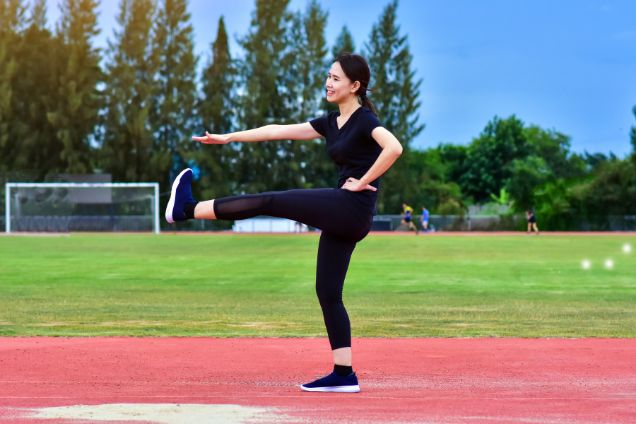
Speed & Agility Training
Speed and agility are essential components of athletic performance and functional movement. While speed refers to how quickly an individual can move in a straight line, agility involves the ability to change direction efficiently while maintaining balance and control. Together, these skills play a vital role in sports performance, injury prevention, and overall movement quality.
Speed and agility training is not limited to elite athletes. It benefits recreational athletes, active individuals, and anyone looking to improve coordination, reaction time, and confidence in movement.
Why Speed & Agility Training Matters
In both sports and daily life, the ability to move quickly and change direction safely is critical. Structured speed and agility training offers several benefits:
– Improves acceleration, quickness, and movement efficiency
– Enhances coordination, balance, and body awareness
– Reduces injury risk by improving neuromuscular control
– Supports faster reaction times and better movement confidence
– Transfers to daily activities such as walking, running, and avoiding obstacles
When performed correctly, these drills help the body respond effectively to physical demands while minimizing unnecessary stress on joints and muscles.
Key Components of Speed & Agility Training
Speed Development
Speed training focuses on improving acceleration and running mechanics over short distances. Emphasis is placed on posture, arm drive, stride efficiency, and controlled power output. Sprint-based drills help improve explosive strength and cardiovascular conditioning while reinforcing proper movement patterns.
Agility Training
Agility training targets quick changes in direction, deceleration control, and spatial awareness. These drills challenge the body to move efficiently while maintaining alignment and balance. Agility work enhances coordination between the brain and muscles, allowing for smoother and safer transitions during movement.
Plyometric Training
Plyometrics involve explosive, high-power movements that train muscles to generate force rapidly. These exercises improve lower-body power, responsiveness, and energy transfer. Plyometric training plays an important role in improving both speed and agility when progressed appropriately.
Reaction and Balance Training
Agility is not only physical but also neurological. Reaction-based drills challenge individuals to respond quickly to visual or auditory cues, improving decision-making and movement timing. Balance training further supports joint stability and control during dynamic activities.
Sample Speed & Agility Training Session
Warm-Up
Dynamic stretching, light jogging, and mobility exercises to prepare muscles and joints
Speed Drills
Short-distance sprints focusing on acceleration and proper mechanics
Agility Drills
Change-of-direction drills emphasizing controlled deceleration and quick transitions
Plyometric Exercises
Jump-based movements designed to develop explosive power
Cool-Down
Light movement followed by stretching to promote recovery and flexibility
Safety and Progression Tips
– Always begin with a proper warm-up
– Focus on technique before increasing speed or intensity
– Progress drills gradually based on strength and control
– Allow adequate recovery between sessions
– Work with a trained professional if returning from injury
Speed and agility training should be customized to an individual’s fitness level, sport demands, and injury history to ensure safe and effective progress.