


Stress, Anxiety & Pain Connection
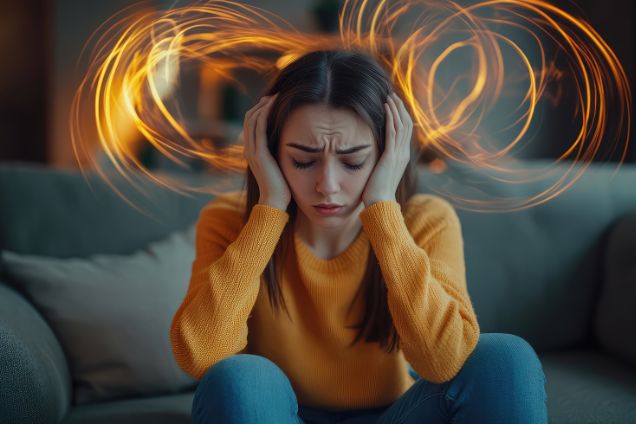
Pain isn’t just a physical sensation — it’s a complex experience shaped by how your brain interprets signals from your body, your emotions, and your state of mind. At Health Plus Physical Therapy, understanding this connection is essential for effective pain relief and lasting recovery.
Why Stress and Anxiety Influence Pain
When we are stressed or anxious, our body activates the “fight-or-flight response.” Stress hormones like cortisol and adrenaline surge, muscle tension increases, and the brain becomes hyper-alert to what it perceives as threats. This is helpful in true danger, but when stress becomes chronic, it can change how the nervous system processes pain — often making normal sensations feel more intense or unpleasant.
In the brain, pain signals are interpreted alongside emotional context — meaning fear, worry, and stress can dramatically amplify pain. An injury might trigger pain, but if the body perceives danger due to anxiety or fear, the brain may increase the intensity of pain to protect you — even if tissue damage has healed.
The Vicious Cycle: Pain → Stress → More Pain
Here’s how the cycle often works:
– Physical pain occurs — due to injury, strain, or overuse.
– Anxiety about pain emerges — worry about how long it will last, fear of movement or re-injury.
– Stress and anxiety activate the nervous system, increasing pain sensitivity and muscle tension.
– Pain feels worse, feeding more anxiety and stress.
This loop creates a feedback cycle, where pain increases stress and stress amplifies pain — prolonging discomfort and slowing healing.
Pain Is More Than Just Tissue Damage
Modern pain science — like the approach used at Health Plus PT — teaches that pain doesn’t always equal injury. Pain is the brain’s protective alarm system, not a simple read-out of body damage. Many factors influence how pain is experienced, including:
– Emotional state
– Stress and anxiety levels
– Attention and focus
– Sleep quality and fatigue
– Previous painful experiences
For example, two people with the same injury may report very different pain levels because their brains interpret and weigh those signals differently.
Mind-Body Integration: Why It Matters in Recovery
Because stress and anxiety affect pain perception so profoundly, a holistic approach to treatment is far more effective than focusing only on physical symptoms.
At Health Plus PT, this involves:
Pain Education
Understanding how pain works helps reduce fear and uncertainty — both of which can worsen pain. Learning that pain isn’t always a sign of damage empowers people to move with confidence.
Movement and Rehabilitation
Gradual, guided movement retrains the nervous system and rebuilds trust between body and brain. This helps break the fear-avoidance cycle.
Relaxation and Coping Strategies
Breathing exercises, mindfulness, and mental fitness techniques calm the nervous system, reducing stress hormone activity and decreasing the brain’s threat response to pain.
Tips to Break the Stress-Pain Cycle
To reduce the impact of stress and anxiety on pain:
– Practice mindful breathing or meditation
– Stay active with safe, guided movement
– Work with therapists who address both body and mind
– Sleep well and manage daily stressors
– Challenge fearful thoughts about pain and movement
These strategies don’t just help your mind — they physically alter how your nervous system responds to pain signals.
Summary :
Pain isn’t only a physical warning — it’s a lived experience shaped by your brain, emotions, mindset, and environment. Stress and anxiety don’t just make discomfort feel worse — they can prolong it by keeping your nervous system on high alert. By recognizing the deep connection between stress, anxiety, and pain, you can approach recovery with strategies that heal both the body and the mind.
Schedule You Appointment with Health Plus Physical Therapy
At Health Plus Physical Therapy, we understand that stress and anxiety can heighten pain by keeping the nervous system in a constant state of alert. When the body feels threatened, even normal movements or sensations may be interpreted as dangerous, amplifying discomfort and delaying recovery.That’s why we focus on calming the nervous system while restoring confident movement. Through personalized guidance, pain education, and graded activity, we help retrain the brain to view movement as safe — not threatening. Step by step, we build resilience, reduce fear, and support long-term recovery beyond just symptom relief.
Contact us today to get started and book your appointment!