
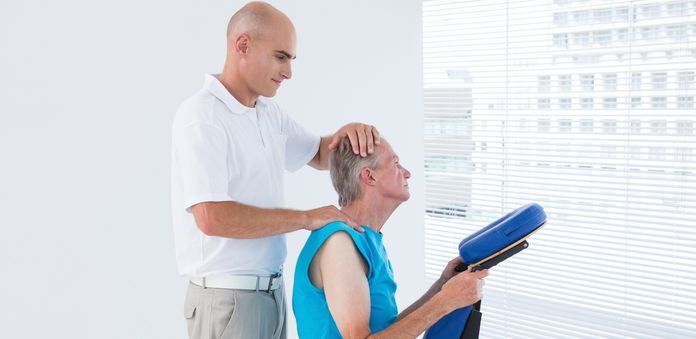

Nervous System & Muscle Tension
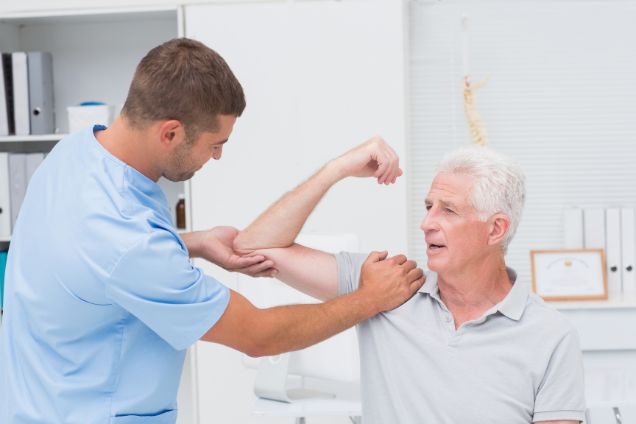
At Health Plus Physical Therapy & Rehabilitation Center, we understand that muscle tension is not simply a result of tight muscles or overuse. In many cases, it is closely connected to the way the nervous system regulates stress, movement, posture, and protection within the body. The nervous system acts as the body’s command center, constantly communicating with muscles to determine when they should contract, relax, or stabilize joints. When this system becomes overwhelmed or dysregulated, muscles may remain tense longer than necessary, leading to discomfort, fatigue, and restricted movement.
Understanding the Nervous System’s Role
The nervous system is responsible for monitoring the body’s environment and responding to both physical and emotional stress. When the brain perceives a threat — whether it is poor posture, injury, prolonged sitting, or psychological stress — it can trigger muscles to tighten in order to protect the body.This protective response is helpful in short-term situations. For example, muscles naturally contract to stabilize the spine during lifting or sudden movement. However, when the nervous system remains in a constant state of alertness, muscles may continue to stay partially contracted even when the body no longer needs protection.
Over time, this ongoing muscle activation can lead to:
– Chronic neck and shoulder te nsion
– Tightness in the upper back or lower back
Jaw clenching or facial tension
– Headaches related to muscle strain
– Limited mobility and stiffness
Many individuals attempt to address these issues with stretching alone, but without addressing the nervous system’s role, the tension often returns.
Stress and the Body’s Protective Response
When the body experiences stress, the sympathetic nervous system, often referred to as the “fight or flight” system, becomes more active. This response increases heart rate, prepares muscles for action, and heightens awareness of potential threats.While this response is essential for survival, modern lifestyles often keep the nervous system in a prolonged stress state. Work pressure, lack of movement, long hours of sitting, and poor breathing patterns can all contribute to ongoing muscle tension.When the body stays in this protective mode for long periods, muscles may develop persistent tightness that does not easily resolve without targeted intervention.
The Connection Between Breathing and Muscle Tension
Breathing plays a powerful role in regulating the nervous system. Many people develop shallow breathing patterns due to stress, poor posture, or prolonged screen use. Shallow breathing often relies on accessory muscles in the neck and shoulders instead of the diaphragm.
This can contribute to:
– Increased neck and shoulder tension
– Reduced core stability
– Poor spinal support
– Fatigue during movement
By restoring diaphragmatic breathing, the body activates the parasympathetic nervous system, also known as the “rest and recovery” system. This helps signal the body that it is safe to relax, allowing muscles to release unnecessary tension.At Health Plus Physical Therapy & Rehabilitation Center, breathing techniques are often integrated with movement training to help restore healthy muscle activation patterns.
Movement Patterns and Nervous System Regulation
Muscles and the nervous system function best when the body moves regularly and efficiently. Repetitive movement patterns, prolonged sitting, or imbalances in strength can create compensation patterns that increase tension in certain muscle groups.
For example:
– Weak core muscles may cause the back muscles to overwork
– Poor posture may increase tension in the neck and shoulders
– Limited hip mobility can place additional strain on the lower back
Physical therapy focuses on identifying these patterns and guiding the body toward more balanced and efficient movement strategies.
How Physical Therapy Can Help
Effective treatment for muscle tension involves more than simply relaxing tight muscles. A comprehensive approach addresses the underlying nervous system response, movement habits, and breathing mechanics.
At Health Plus Physical Therapy & Rehabilitation Center, care may include:
– Education about posture and body mechanics
– Breathing and relaxation techniques
– Gentle mobility exercises to restore joint movement
– Targeted strengthening to support proper alignment
– Movement training to improve coordination and stability
This integrated approach helps retrain the nervous system so muscles can work efficiently rather than remaining in a constant protective state.
Building Long-Term Resilience
One of the most important goals of physical therapy is helping individuals build long-term resilience. When patients understand how their nervous system influences muscle tension, they can take proactive steps to support their health.
Simple strategies that support nervous system balance include:
– Practicing slow, controlled breathing
– Taking regular movement breaks during the day
– Maintaining good posture while sitting and working
– Performing strengthening and mobility exercises consistently
– Managing stress through relaxation techniques
Over time, these habits help reduce unnecessary muscle tension and support healthier movement patterns.
Supporting Whole-Body Wellness
At Health Plus Physical Therapy & Rehabilitation Center, we believe the body works best when its systems function together in balance. By addressing the connection between the nervous system and muscle tension, we help patients better understand their bodies and regain comfort in everyday movement.When the nervous system feels safe and supported, muscles can relax, coordination improves, and the body is able to move with greater efficiency and confidence.Through education, personalized therapy, and guided movement, we help individuals reduce tension, improve posture, and build a foundation for long-term health and mobility.
Summary:
At Health Plus Physical Therapy & Rehabilitation Center, we believe core strength begins with proper breathing. The diaphragm works with deep core muscles to stabilize the spine and support healthy movement. When breathing becomes shallow due to stress or poor posture, core activation can weaken and place extra strain on the body. By practicing diaphragmatic breathing and coordinating breath with movement, you can improve core stability, posture, and overall movement efficiency for better long-term health.
Schedule You Appointment with Health Plus Physical Therapy
At Health Plus Physical Therapy & Rehabilitation Center, we believe muscle tension is closely linked to how the nervous system responds to stress and movement. Nervous System & Muscle Tension focuses on helping the body shift from a constant state of tension to better balance and relaxation. When the nervous system is calm and supported through proper breathing, posture, and movement, muscles can release unnecessary tightness and function more efficiently, improving comfort and overall movement.
Contact us today to get started and book your appointment!