
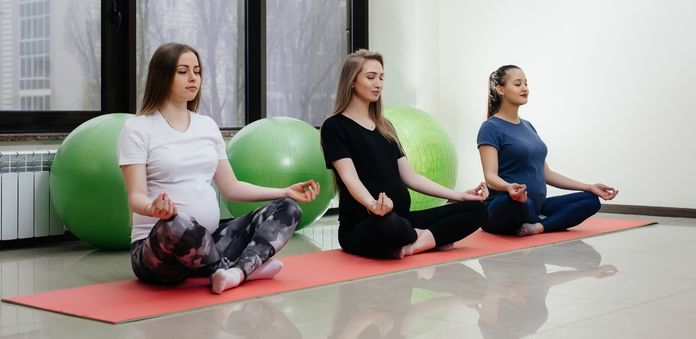


Breath Control for Athletic Performance
During exercise, your body’s demand for oxygen skyrockets—sometimes up to 15 times its resting rate. When you breathe inefficiently (such as taking shallow, rapid chest breaths), your body has to work overtime just to supply oxygen to your muscles, leading to premature fatigue and spiked heart rates.
Proper breath control allows you to:
– Optimize Oxygen Delivery: Efficient breathing ensures working muscles get the oxygen they need while clearing out carbon dioxide (the byproduct of energy production).
– Regulate the Nervous System: Deep, controlled breathing stimulates the parasympathetic nervous system (your “rest and digest” mode), which counterbalances the high-stress “fight or flight” response of intense exercise.
– Improve Core Stability: Proper breath mechanics stabilize the diaphragm and core, which is essential for heavy lifting and injury prevention.
Why Breathing Matters in Athletic Performance
Breathing is often overlooked in training, yet it directly influences stamina, recovery, and movement quality. Many athletes develop shallow or rapid breathing patterns during intense activity, which can lead to early fatigue, muscle tension, and decreased performance.Efficient breathing allows the diaphragm to work properly, improving oxygen delivery and helping maintain better posture and core stability during movement. This not only supports endurance but also reduces unnecessary strain on the neck, shoulders, and lower back.
Training Breath Control
Breath training focuses on restoring diaphragmatic breathing and coordinating breath with movement. This may include slow controlled breathing exercises, posture awareness, and movement patterns that encourage efficient oxygen exchange.In rehabilitation and performance programs, breathing is often integrated into strength and mobility exercises to ensure the body moves as a coordinated system rather than relying on isolated muscles.
4 Breathing Techniques to Elevate Your Game
To stop leaving performance on the table, try integrating these four scientifically-backed breathing techniques into your routine:
1. Diaphragmatic Breathing (Belly Breathing)
Best for: Core stability, endurance, and overall efficiency. Most people are chronic “chest breathers,” which utilizes smaller, weaker accessory muscles in the neck and chest. Diaphragmatic breathing engages the large muscle at the base of your lungs.
– How to do it: Inhale deeply so that your stomach expands outward like a balloon, while your chest remains relatively still. Exhale fully, drawing the belly back in.
– Application: Use this during strength training. Take a deep belly breath before the exertion phase of a heavy lift (like a squat or deadlift) to brace your core, and exhale as you push through the movement.
2. Nasal Breathing
Best for: Oxygen efficiency and pacing. Breathing through your nose filters, warms, and humidifies the air before it reaches your lungs. It also increases nitric oxide production, a natural vasodilator that helps widen blood vessels and improve blood flow.
– How to do it: Keep your mouth closed and draw air exclusively through your nasal passages.
– Application: Try this during low-to-moderate intensity cardio (like a steady-state jog or cycling). It might feel restrictive at first, but over time, it trains your body to tolerate higher levels of carbon dioxide, ultimately improving your aerobic capacity.
3. Rhythmic Breathing
Best for: Runners and endurance athletes. When you run, your foot strikes the ground with a force equal to two or three times your body weight. If your exhale constantly aligns with the same foot striking the ground, you place disproportionate stress on one side of your body, increasing the risk of injury.
– How to do it: Sync your breath to your cadence in an asymmetrical pattern.
– Application: Try a 3:2 ratio—inhale for three steps (Left, Right, Left) and exhale for two steps (Right, Left). This ensures your exhalations alternate evenly between your left and right foot strikes, distributing the impact.
4. Box Breathing
Best for: Pre-competition anxiety and mental focus. Adopted by everyone from professional athletes to military special operators, box breathing is a powerful way to calm pre-game jitters, lower your heart rate, and ground yourself in the present moment.
– How to do it: Inhale for 4 seconds, hold the breath in for 4 seconds, exhale for 4 seconds, and hold the lungs empty for 4 seconds. Repeat the cycle for a few minutes.
– Application: Use this in the locker room before a big game, or right before a high-pressure moment like a free throw or penalty kick.