
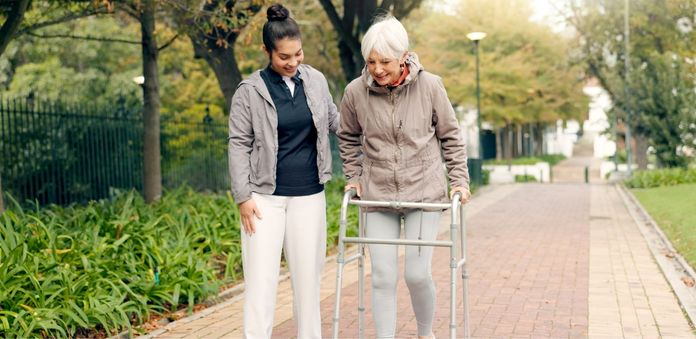

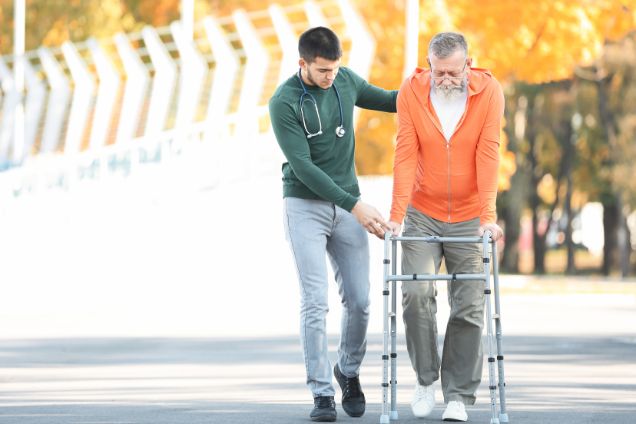
Preventing Age-Related Falls
As we grow older, maintaining balance, strength, and mobility becomes increasingly important. Falls are one of the leading causes of injury among older adults, but the good news is that most falls are preventable. With the right strategies and proactive care, you can protect your health and continue living independently.At Health Plus Physical Therapy, we believe prevention is the key to long-term wellness. Let’s explore why falls happen and what you can do to reduce your risk.
Why Are Falls More Common with Age?
Several age-related changes increase fall risk:
– Decreased muscle strength
– Reduced balance and coordination
– Slower reaction time
– Vision changes
– Joint stiffness or pain
– Side effects from medications
Even minor balance issues can lead to serious injuries such as fractures, head trauma, or loss of independence.
Common Risk Factors for Falls
Understanding your personal risk factors is the first step toward prevention. These may include:
– Muscle weakness, especially in the legs
– Poor posture
– Difficulty walking or standing
– Previous history of falls
– Unsafe home environment (loose rugs, poor lighting, clutter)
– Chronic conditions such as arthritis, diabetes, or neurological disorders
If you’ve fallen once, your risk of falling again significantly increases.
7 Effective Ways to Prevent Age-Related Falls
1. Strength and Balance Training
Targeted exercises can dramatically improve stability. Focus on:
– Leg strengthening exercises
– Core stability training
– Balance drills
– Functional movement exercises
Physical therapy programs are customized to address your specific needs and improve overall coordination.
2. Improve Flexibility
Stretching helps maintain joint mobility and reduces stiffness, making movements smoother and safer.
3. Review Medications
Some medications cause dizziness or drowsiness. Speak with your healthcare provider about potential side effects.
4. Optimize Your Home Safety
Simple changes can make a big difference:
– Remove loose rugs
– Install grab bars in bathrooms
– Improve lighting
– Use non-slip mats
– Keep frequently used items within reach
5. Wear Proper Footwear
Choose supportive, non-slip shoes. Avoid walking barefoot or in loose slippers.
6. Regular Vision and Hearing Checks
Clear vision and good hearing are essential for balance and spatial awareness.
7. Seek Professional Guidance
A physical therapist can assess your gait, posture, muscle strength, and balance to identify fall risks early.
At Health Plus Physical Therapy, our team provides:
– Fall risk assessments
– Personalized exercise programs
– Gait training
– Post-surgical rehabilitation
– Education on safe movement strategies
The Role of Physical Therapy in Fall Prevention
Physical therapy is one of the most effective ways to reduce fall risk. Through individualized care, we help patients:
– Restore strength
– Improve balance
– Increase mobility
– Build confidence in daily movements
Prevention isn’t just about avoiding injury — it’s about maintaining independence and quality of life.