


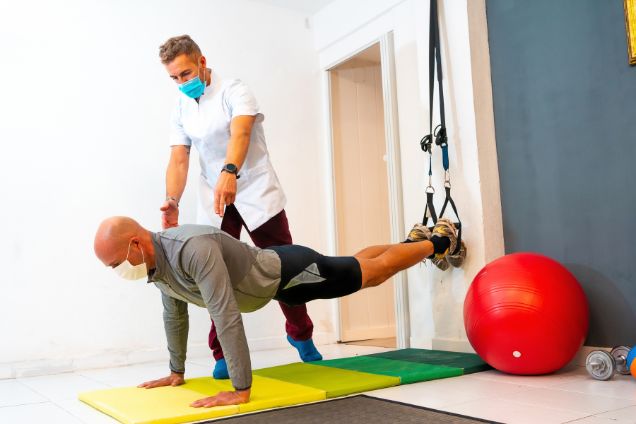
Correcting Movement Imbalances
Movement imbalances occur when certain muscles become stronger, tighter, or more dominant than others. Over time, this imbalance can cause the body to move inefficiently, placing unnecessary stress on joints, ligaments, and surrounding tissues. These patterns often develop from repetitive daily habits, past injuries, poor posture, or uneven training routines.When one part of the body compensates for another, the result can be reduced mobility, muscle fatigue, discomfort, and an increased risk of injury. Correcting these imbalances is essential for restoring healthy movement patterns and improving overall physical performance.
Common Causes of Movement Imbalances
Many people develop movement imbalances without realizing it. Some of the most common causes include:
1. Sedentary Lifestyle
Long hours of sitting can weaken certain muscle groups while tightening others, especially around the hips, back, and shoulders.
2. Repetitive Movements
Sports, work activities, or exercise routines that repeatedly use the same muscles can create uneven strength distribution.
3. Previous Injuries
After an injury, the body often compensates to avoid pain. These compensation patterns can persist even after the injury heals.
4. Poor Posture
Postural habits such as rounded shoulders or forward head position can alter muscle balance and joint alignment.
Signs of Movement Imbalances
Movement imbalances may appear in several ways, including:
– Uneven strength between the left and right side of the body
– Limited range of motion in certain joints
– Frequent muscle tightness or stiffness
– Discomfort during exercise or daily activities
– One side of the body feeling more dominant during movement
Recognizing these signs early allows for targeted intervention before they lead to larger movement problems.
How Physical Therapy Helps Correct Imbalances
Correcting movement imbalances requires more than simply strengthening weak muscles. It involves a comprehensive approach that restores coordination, stability, and proper movement patterns.
Physical therapy focuses on:
Movement Assessment
A detailed evaluation helps identify where the imbalance exists and how it affects overall movement.
Targeted Strengthening
Specific exercises strengthen weaker muscle groups while supporting joint stability.
Mobility and Flexibility Work
Improving joint mobility and muscle flexibility helps restore balanced movement.
Neuromuscular Training
Re-educating the body to move correctly ensures that new movement patterns become natural and sustainable.
Benefits of Correcting Movement Imbalances
When movement imbalances are addressed, individuals often experience:
– Improved posture and alignment
– Better joint stability and control
– Reduced pain and muscle tension
– Increased strength and mobility
– Lower risk of future injuries
Balanced movement allows the body to distribute forces evenly, helping you move more efficiently and comfortably throughout daily activities and exercise.