


Calm System And Better Recovery
At Health Plus Physical Therapy & Rehabilitation Center, we believe that effective recovery begins with a calm and balanced nervous system. The nervous system controls how the body responds to stress, injury, movement, and healing. When the body experiences constant stress, pain, or fatigue, the nervous system may remain in a heightened “fight-or-flight” state. In this state, muscles stay tight, breathing becomes shallow, and the body struggles to fully recover. Learning how to calm the nervous system allows the body to enter a “rest-and-recover” state where healing and repair can occur more efficiently.
The Role of the Nervous System in Recovery
The nervous system acts as the body’s communication center. It constantly sends signals between the brain, muscles, and organs to control movement, balance, and healing. When stress levels are high, these signals can become unbalanced. Muscles may remain tense, coordination may decrease, and the body may experience ongoing fatigue or discomfort. By calming the nervous system, the body can restore proper communication between the brain and muscles, supporting smoother movement and improved recovery after injury or physical activity.
How Stress Affects Healing
Chronic stress can significantly slow the body’s ability to recover. When the body remains in a stressed state, stress hormones such as cortisol stay elevated. These hormones can interfere with tissue repair, reduce sleep quality, and increase muscle tension. Over time, this may contribute to prolonged soreness, reduced mobility, and a higher risk of injury. Managing stress through relaxation techniques and guided physical therapy can help reduce these effects and support the body’s natural healing process.
Breathing and Nervous System Regulation
One of the most effective ways to calm the nervous system is through diaphragmatic breathing. Deep breathing activates the parasympathetic nervous system, which helps the body relax and shift into recovery mode. When breathing becomes slow and controlled, heart rate decreases, muscle tension reduces, and oxygen delivery to tissues improves. Many people unknowingly develop shallow breathing patterns due to stress or poor posture. Learning proper breathing techniques can restore balance and help the body recover more efficiently.
The Importance of Gentle Movement
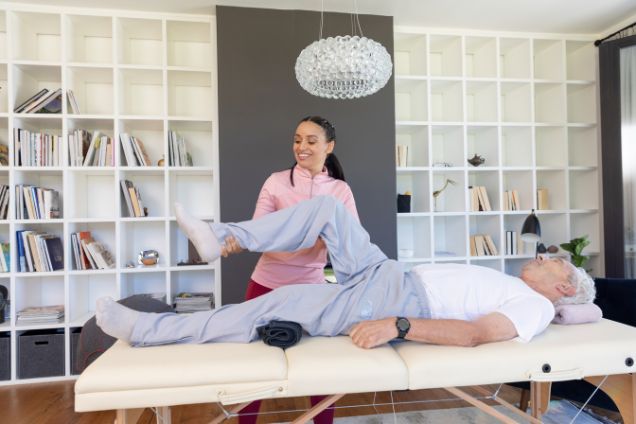
Movement plays a powerful role in calming the nervous system and improving recovery. Gentle, controlled exercises help the brain relearn safe and efficient movement patterns. Physical therapy programs often include mobility exercises, posture training, and neuromuscular coordination techniques. These exercises help reduce stiffness, improve circulation, and restore confidence in movement. Over time, consistent movement can decrease pain and support faster recovery.
The Connection Between Sleep and Recovery
Sleep is one of the most important factors in the recovery process. During deep sleep, the body repairs muscles, restores energy, and regulates hormones. However, when the nervous system remains overstimulated, sleep can become restless or interrupted. Relaxation practices such as breathing exercises, light stretching, and calming bedtime routines can help prepare the body for restorative sleep. Quality sleep allows the body to fully recover and function more effectively the next day.
A Whole-Body Approach to Recovery
At Health Plus Physical Therapy & Rehabilitation Center, recovery is approached from a whole-body perspective. Instead of focusing only on the site of pain or injury, therapists evaluate breathing patterns, posture, movement habits, and stress levels. Addressing these factors together helps restore balance within the nervous system and supports long-term healing. This integrated approach allows patients to recover more effectively while improving strength, mobility, and overall well-being.
Long-Term Benefits of a Calm Nervous System
When the nervous system is calm and balanced, the body can move with greater efficiency and comfort. Muscles relax more easily, coordination improves, and recovery after physical activity becomes faster. Over time, individuals often experience better posture, improved flexibility, and reduced risk of injury. Developing habits that support nervous system regulation can enhance both physical performance and everyday comfort.