


Core Is More Than Abs
The core includes the diaphragm, deep abdominal muscles (like the transverse abdominis), pelvic floor, multifidus (deep spinal stabilizers), and even the glutes. These muscles form a supportive cylinder around your spine. When functioning properly, they create stability, balance, and controlled movement.Strong abs alone are not enough. Without proper coordination between these deeper muscles, you may still experience back pain, poor posture, or movement limitations.
Why Core Strength Matters
Your core is involved in nearly every movement you make:
– Standing and walking
– Lifting and bending
– Reaching and twisting
– Sitting with proper posture
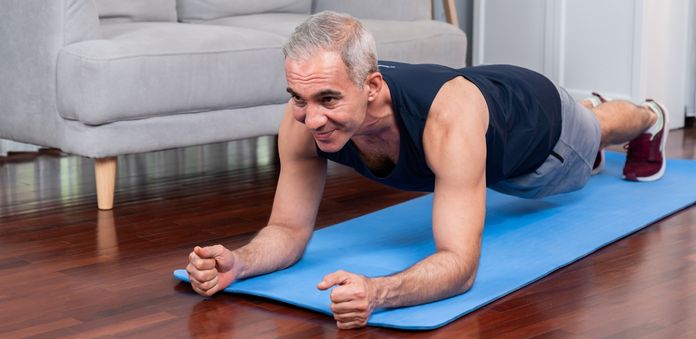
If your core is weak or not functioning properly, other muscles compensate. Over time, this can lead to tension in the neck and shoulders, lower back discomfort, hip pain, and reduced balance.At Health Plus Physical Therapy & Rehabilitation Center, we focus on functional core training — not just crunches or planks. We emphasize breathing mechanics, posture alignment, and coordinated muscle activation to build real-world strength.
The Role of Breathing in Core Stability
One of the most overlooked components of core strength is the diaphragm. Proper breathing activates deep stabilizing muscles and helps regulate intra-abdominal pressure, which supports the spine.Shallow chest breathing can disrupt core engagement and increase strain on the neck and lower back. By retraining the body to use diaphragmatic breathing, we help improve stability, reduce pain, and enhance movement efficiency.
Functional Core Training vs. Traditional Ab Workouts
Traditional ab workouts often focus on surface muscles for appearance. Functional core training focuses on:
– Stability before strength
– Control before intensity
– Coordination before repetition
This approach helps prevent injury, improves balance, and enhances performance in daily activities and sports.